柔性吊装带与扁平吊装带得区别Differences Between Round Webbing Slings and Flat Webbing Slings
柔性吊装带与扁平吊装带是工业吊装作业中两款常用的索具产品,二者在结构设计、性能表现与适用场景上存在清晰的差异,适配不同的作业需求:
1. 结构设计差异
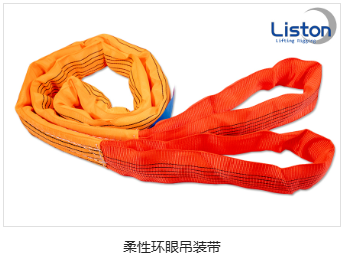
柔性吊装带多以高韧性聚酯纤维为核心原料,采用环形编织工艺制成,整体呈环状或宽幅带状形态,材质柔软轻盈,具备优异的弯折性,上手操作更灵活。
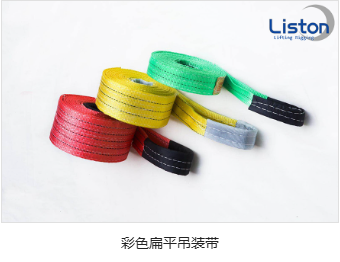
扁平吊装带则选用聚酯纤维或聚丙烯纤维为基材,经多层缝合压制为扁平宽带形态,整体刚性更强,横向抗拉表现更突出。
2. 承载性能区别
受结构与工艺影响,柔性吊装带的额定承载范围覆盖 1 吨至 500 吨区间,适配跨度更广,既可以完成小型物件的搬运,也能应对大吨位吊装需求,尤其适合空间受限的作业环境。
扁平吊装带的承载区间为 1 吨至 50 吨,虽上限低于柔性款,但单位宽度的承载稳定性更强,更适合对吊装平稳性要求高的重型物件作业。
3. 作业使用方式
柔性吊装带通常采用环绕包裹的方式固定被吊物,可根据物件形态灵活设置多个吊装点位,对圆形、不规则形状的物件适配性强,不易刮伤物件表面。
扁平吊装带作业时多以平铺贴合的方式承托重物,与被吊物的接触面积更大,受力更均匀,能分散吊装压力,避免局部压强过大损伤物件表层。
4. 适配作业场景
柔性吊装带凭借灵活弯折、多点适配的特性,广泛应用于车间内部转运、仓库堆垛、船舶舱内作业等空间狭窄、物件形态不规则的场景,对需要精细调整吊装姿态的作业尤为适配。
扁平吊装带则更适配建筑工地、重型机械设备移位等对承载稳定性要求高的场景,在吊装大型钢结构、整机工业设备时能提供更可靠的承托支撑。
Round Webbing Slings and Flat Webbing Slings are two commonly used rigging products in industrial hoisting operations. There are clear distinctions between the two in structural design, load-bearing performance, operation methods and applicable scenarios, and they cater to different operation demands:
1. Differences in Structural Design
Round Webbing Slings are mainly made of high-toughness polyester fiber as the core material, manufactured via circular weaving process, and take an annular or wide strip shape overall. Featuring soft and lightweight texture, they have excellent bendability for more flexible operation.
Flat Webbing Slings adopt polyester fiber or polypropylene fiber as the base material, and are fabricated into flat wide belt form through multi-layer stitching and pressing. They boast stronger overall rigidity and more prominent transverse tensile performance.
2. Differences in Load-bearing Performance
Subject to their structure and manufacturing process, Round Webbing Slings have a rated load-bearing range from 1 ton to 500 tons, with a wider adaptation scope. They are applicable to both handling small items and large-tonnage hoisting tasks, especially suitable for operation environments with limited space.
Flat Webbing Slings cover a load-bearing range from 1 ton to 50 tons. Although their upper load limit is lower than that of Round Webbing Slings, they deliver stronger load-bearing stability per unit width, making them more ideal for heavy object hoisting that requires high stability.
3. Operation and Usage Methods
Round Webbing Slings usually secure hoisted objects via wrapping, and allow flexible setting of multiple hoisting points according to the object shape. They fit well with circular and irregularly shaped objects, and will not easily scratch the object surface.
Flat Webbing Slings mostly support heavy objects in a flat fitting manner during operation. They have a larger contact area with hoisted objects and more uniform stress distribution, which can effectively disperse hoisting pressure and avoid damage to the object surface caused by excessive local pressure.
4. Applicable Operation Scenarios
With the advantages of flexible bending and multi-point adaptation, Round Webbing Slings are widely used in scenarios with narrow space and irregular object shapes, such as in-workshop transfer, warehouse stacking and ship cabin hoisting, especially suitable for operations requiring fine adjustment of hoisting posture.
Flat Webbing Slings are more applicable to scenarios demanding high load-bearing stability, such as construction sites and heavy mechanical equipment relocation. They can provide more reliable supporting force when hoisting large steel structures and complete sets of industrial equipment.
- 上一篇:丙纶吊装带和涤纶吊装带的区别
- 下一篇:立诗顿亮相义乌农机机电展|布展圆满完成,